Conferences and Events Program
Institutional conference

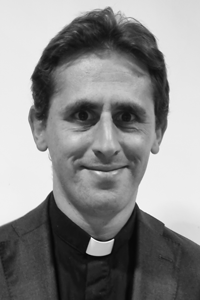
Emanuele Cavallini, architect and PhD in Subsurface and Built Environment Design and Engineering at the INGEO department of the “G. D'Annunzio” University of Chieti - Pescara, holds a master's degree in " Architecture, Sacred Arts, and Liturgy“ at the European University of Rome and a postgraduate specialization course in ”Sacred Space Design“ at the ”G. D'Annunzio" University of Pescara.
In February 2016, he was selected among the 20 participants under 35 to attend the CLILAB workshop held at the monastery of Bose.
He served as the contact person for the project accompanying the participation activities in the dioceses of Ales-Terralba, Anagni-Alatri, and Teano-Calvi Calvi as part of the Participation Pathways promoted by the National Office of the CEI. In 2021, he was a facilitator at the national working tables promoted by the National Office of the CEI on the theme of “Digital” in ecclesiastical cultural heritage.
Since 2022, he has been acting director of the Abbey of San Clemente in Castiglione a Casauria, the Abbey of Santo Spirito al Morrone in Sulmona, and Taverna Ducale in Popoli (PE). He is also head of the Tenders and Contracts Office at the Abruzzo Regional Museums Directorate.
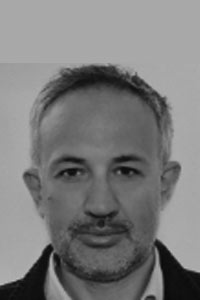
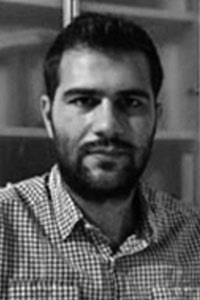
Luigi Bartolomei was born in Bologna in 1977 and graduated in Civil Engineering in 2003. He is currently a researcher at the Department of Architecture of the University of Bologna, where he earned his PhD in Architectural Composition in 2008. His research focuses primarly on the relationship between sacred and architecture. He collaborates formally with the Theological Faculty of Emilia-Romagna, where he serves as a visiting professor, leading seminars on the interplay among liturgy, landscape, and architecture. At the School of Engineering and Architecture in Bologna, he teaches courses in Architectural and Urban Composition, and has previously taught Landscape and Infrastructure Architecture. He is a contributor to Il Giornale dell'Architettura and serves as editor of the department's scientific journal "In_bo. Ricerche e progetti per il territorio, la città, l'architettura" ("Research and projects for the territory, the city, architecture"). Since 2008, he has been president of the Cherubino Gherardacci Study Center in Bologna. In 2016, he promoted the international conference The Future of Churches.
He has frequently spoken on the quantification and management of the assets of religious institutions in Italy.
From 2003 to 2018 he served as scientific director of the Census Religious Buildings in the Diocese of Bologna. Since 2017, he has collaborated with the Office for Religious Buildings and Cultural Heritage of the Italian Episcopal Conference. In 2019, the CEI appointed him coordinator of the Census Project of the Boundaries of Italian Dioceses, which was launched in September 2019 in the Ecclesiastical Region of Emilia-Romagna and is now open to survey the entire geography of Italian dioceses.
ROUND TABLE DISCUSSION - Discussion on Energy Communities (RECs)
Protecting Creation with shared energy: RECs for ecclesial communities
Renewable Energy Communities (REC) are essential tools for driving ecological transition and fostering social cohesion from an integral ecological perspective, which encompasses environmental protection, justice in economic and social relations, and care for both individuals and communities.
This is a real example of “integral ecology” theorized by Pope Francis in his encyclical Laudato si', and strongly echoed by the Italian Church. The latter, through the Italian Episcopal Conference (CEI), has started a path of accompanying, study, and dialogue with institutions. In 2023, a Technical Committee was set up with the involvement of different ecclesial bodies to accompany interested parishes and encourage the creation of solidarity-based RECs throughout the country.
The round table will present some significant experiences gained in various Italian dioceses on the topic of Renewable Energy Communities (RECs). The aim will be to highlight both the potential and the weaknesses that have emerged in local contexts. Through direct discussion with pastoral workers, technicians, and administrators involved in the projects, it will be possible to offer practical ideas and real reflections for all ecclesial communities looking to undertake similar initiatives. The discussion will focus on the regulations governing RECs, including the latest updates on incentives and technical requirements. It will also explore the legal forms RECs can take, along with the economic opportunities and public support mechanisms available to ecclesial entities.
Moderator:
Renewable Energy Communities (REC) are essential tools for driving ecological transition and fostering social cohesion from an integral ecological perspective, which encompasses environmental protection, justice in economic and social relations, and care for both individuals and communities.
This is a real example of “integral ecology” theorized by Pope Francis in his encyclical Laudato si', and strongly echoed by the Italian Church. The latter, through the Italian Episcopal Conference (CEI), has started a path of accompanying, study, and dialogue with institutions. In 2023, a Technical Committee was set up with the involvement of different ecclesial bodies to accompany interested parishes and encourage the creation of solidarity-based RECs throughout the country.
The round table will present some significant experiences gained in various Italian dioceses on the topic of Renewable Energy Communities (RECs). The aim will be to highlight both the potential and the weaknesses that have emerged in local contexts. Through direct discussion with pastoral workers, technicians, and administrators involved in the projects, it will be possible to offer practical ideas and real reflections for all ecclesial communities looking to undertake similar initiatives. The discussion will focus on the regulations governing RECs, including the latest updates on incentives and technical requirements. It will also explore the legal forms RECs can take, along with the economic opportunities and public support mechanisms available to ecclesial entities.
Moderator:
- Emanuele Cavallini, Architect, Director of the Abbey of San Clemente a Casauria, Abbey of Santo Spirito al Morrone
- don Michele Porcelluzzi, Legal Counsel for the Archdiocese of Milan, collaborator with the Legal Office of the CEI - Italian Episcopal Conference
- CER Energia in comunione ETS di Cento
Paolo Colombo, Engineer
Emanuele Pifferi, Engineer
Luigi Bartolomei, Engineer
- What are the reference regulations governing CERs?
- How is a CER established and financed?
- Issues and possibilities for CERs in specific cases in some Italian dioceses.
Speakers
Emanuele Pifferi
Engineer
don Michele Porcelluzzi
Legal Counsel for the Archdiocese of Milan, collaborator with the Legal Office of the CEI - Italian Episcopal Conference
Don Michele Maria Porcelluzzi was born in San Giovanni Rotondo (FG) in 1986 and grew up in Barletta.
After studying at Duke University in the USA, he graduated in Law from Bocconi University in 2010. In 2015, he qualified as a lawyer.
He was ordained a priest, incardinated in the Archdiocese of Milan, on June 11, 2016, by Cardinal Archbishop Angelo Scola.
In 2019, he obtained a Licentiate in Canon Law from the San Pio X Faculty in Venice. In 2023, he defended his doctoral thesis entitled “Canon law in emergency situations. Research based on the measures adopted in the recent pandemic.”
From 2016 to 2019, he was a collaborator of the Legal Office of the Curia of Milan, which deals with the study of civil and canon law concerning ecclesiastical entities and their activities.
In 2019, he became Operational Coordinator of the same office, also dealing with the application of regulations relating to the COVID-19 emergency.
Since 2001, he has been a Referee for the Barletta section of the Italian Referees' Association of the FIGC, for which he has been a member of the National Board of Arbitrators since 2025.
Since 2023, he has been the Attorney General of the Curia of Milan and Head of the Legal-Legislative Observatory of the Lombard Bishops.
Since the same year, he has been a collaborator of the General Secretariat and the Legal Affairs Office of the Italian Episcopal Conference.
After studying at Duke University in the USA, he graduated in Law from Bocconi University in 2010. In 2015, he qualified as a lawyer.
He was ordained a priest, incardinated in the Archdiocese of Milan, on June 11, 2016, by Cardinal Archbishop Angelo Scola.
In 2019, he obtained a Licentiate in Canon Law from the San Pio X Faculty in Venice. In 2023, he defended his doctoral thesis entitled “Canon law in emergency situations. Research based on the measures adopted in the recent pandemic.”
From 2016 to 2019, he was a collaborator of the Legal Office of the Curia of Milan, which deals with the study of civil and canon law concerning ecclesiastical entities and their activities.
In 2019, he became Operational Coordinator of the same office, also dealing with the application of regulations relating to the COVID-19 emergency.
Since 2001, he has been a Referee for the Barletta section of the Italian Referees' Association of the FIGC, for which he has been a member of the National Board of Arbitrators since 2025.
Since 2023, he has been the Attorney General of the Curia of Milan and Head of the Legal-Legislative Observatory of the Lombard Bishops.
Since the same year, he has been a collaborator of the General Secretariat and the Legal Affairs Office of the Italian Episcopal Conference.
Emanuele Cavallini
Architect, Director of the Abbey of San Clemente a Casauria, Abbey of Santo Spirito al Morrone
Emanuele Cavallini, architect and PhD in Subsurface and Built Environment Design and Engineering at the INGEO department of the “G. D'Annunzio” University of Chieti - Pescara, holds a master's degree in " Architecture, Sacred Arts, and Liturgy“ at the European University of Rome and a postgraduate specialization course in ”Sacred Space Design“ at the ”G. D'Annunzio" University of Pescara.
In February 2016, he was selected among the 20 participants under 35 to attend the CLILAB workshop held at the monastery of Bose.
He served as the contact person for the project accompanying the participation activities in the dioceses of Ales-Terralba, Anagni-Alatri, and Teano-Calvi Calvi as part of the Participation Pathways promoted by the National Office of the CEI. In 2021, he was a facilitator at the national working tables promoted by the National Office of the CEI on the theme of “Digital” in ecclesiastical cultural heritage.
Since 2022, he has been acting director of the Abbey of San Clemente in Castiglione a Casauria, the Abbey of Santo Spirito al Morrone in Sulmona, and Taverna Ducale in Popoli (PE). He is also head of the Tenders and Contracts Office at the Abruzzo Regional Museums Directorate.
Luigi Bartolomei
Engineer
Luigi Bartolomei was born in Bologna in 1977 and graduated in Civil Engineering in 2003. He is currently a researcher at the Department of Architecture of the University of Bologna, where he earned his PhD in Architectural Composition in 2008. His research focuses primarly on the relationship between sacred and architecture. He collaborates formally with the Theological Faculty of Emilia-Romagna, where he serves as a visiting professor, leading seminars on the interplay among liturgy, landscape, and architecture. At the School of Engineering and Architecture in Bologna, he teaches courses in Architectural and Urban Composition, and has previously taught Landscape and Infrastructure Architecture. He is a contributor to Il Giornale dell'Architettura and serves as editor of the department's scientific journal "In_bo. Ricerche e progetti per il territorio, la città, l'architettura" ("Research and projects for the territory, the city, architecture"). Since 2008, he has been president of the Cherubino Gherardacci Study Center in Bologna. In 2016, he promoted the international conference The Future of Churches.
He has frequently spoken on the quantification and management of the assets of religious institutions in Italy.
From 2003 to 2018 he served as scientific director of the Census Religious Buildings in the Diocese of Bologna. Since 2017, he has collaborated with the Office for Religious Buildings and Cultural Heritage of the Italian Episcopal Conference. In 2019, the CEI appointed him coordinator of the Census Project of the Boundaries of Italian Dioceses, which was launched in September 2019 in the Ecclesiastical Region of Emilia-Romagna and is now open to survey the entire geography of Italian dioceses.
Paolo Colombo
Engineer