Conferences and Events Program
Institutional conference
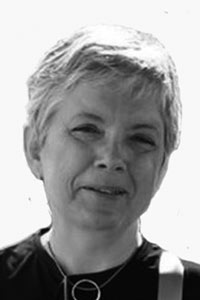
Donatella Fiorani is a Full Professor of Restoration at the Faculty of Architecture of Sapienza University of Rome. She has also taught at the University of L'Aquila, given courses at the University of Ascoli Piceno and at the École Polytechnique Fédérale de Lausanne. She has also taught master's courses in Restoration in Tirana, Moscow, and Cuba.
Since November 2025, she has been Director of the School of Specialization in Cultural Heritage and Landscape at Sapienza University of Rome. She has participated in numerous national and international conferences, edits the journal "Materiali e Strutture. Problemi di conservazione" (Materials and Structures: Conservation Issues) and is the author of around 250 publications. Among these, several monographs focus on historical construction, theoretical issues in restoration, the preservation of historic centers, and digitization in restoration. She was president of the Italian Restoration Society (2013-16). She has collaborated with ICOMOS and ICCROM, and has served on various commissions at the Ministry of Culture. She has also carried out professional and consulting activities on various restoration projects in Italy and abroad.
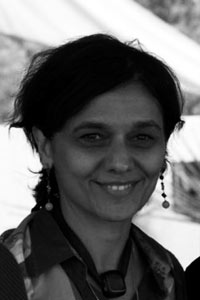
Barbara Fiorini graduated from the Faculty of Architecture at La Sapienza University in Rome.
An architect specializing in restoration, after attending several master's courses on Medieval archaeology and Sacred architecture, she works as a freelancer in the field of restoration and enhancement of cultural heritage, in particular in the ecclesiastical sphere.
She is interested in 20th Century religious architecture and currently conducts an important research on competitions for new churches.
Fiorini is author of several publications on specific cases of restoration, urban archaeology, and research in the field of worship.
She has been a speaker at national and international conferences on topics related to sacred architecture.
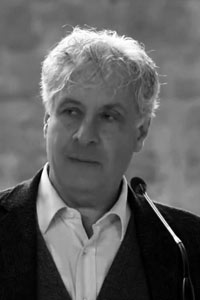
Giovanni Cangi is a civil engineer, freelancer, and Research Associate at the ISPC (Institute of Cultural Heritage Sciences) of the CNR. He has been working professionally since 1985, mainly dealing with restoration and anti-seismic consolidation of historic buildings, a sector in which he has gained experience since 1989 as part of the Urban Planning Laboratory for the Historic Center of Città di Castello (Perugia). He is the author of several manuals on building restoration and structural consolidation, as well as a series of monographs and essays in scientific journals and books on structural aspects, including those related to archaeology.
He has been involved in the consolidation of monumental structures in the archaeological field, including the consolidation of the Domus Tiberiana and the Archi Severiani al Palatino on behalf of the Colosseum Archaeological Park. He has designed consolidation works at the Palazzo Senatorio al Campidoglio on behalf of the Municipality of Rome and the Scalinata dell'Ara Coeli on behalf of the Superintendency of Rome. He has dealt with the structural aspects of the projects for the "Realizzazione Parco della Storia dell'Uomo" (Creation of the Park of the History of Man) in Matera and "Valorizzazione degli spazi espositivi del MANN", Museo Archeologo Nazionale di Napoli (Enhancement of the exhibition spaces of the MANN, National Archaeological Museum of Naples), as well as the consolidation of the Insula Meridionalis in Pompeii in partnership with RPA Srl as agent.
From 2004 to 2009 he has been part of the ITABC project group, which was coordinated by architect Luciano Cessari. He worked on the “Studio e restauro strutturale e architettonico del Bedestan" (Study and structural and architectural restoration of the Bedestan), formerly the Church of St. Nicholas, in Nicosia, Cyprus. This project won the 2009 Europa Nostra Awards, a prize awarded by the European Union to the best projects on cultural heritage.
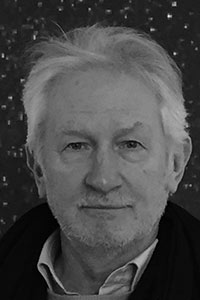
Born in Udine, architect, graduated from IUAV in Venice. He is the author of research on new ecclesiastical architecture and on the adaptation and enhancement of existing architecture; he participates as a speaker at national and international conferences on these subjects. He has collaborated with the offices of the Italian Episcopal Conference (CEI) in organizing the conferences “Art, Architecture, Liturgy: A Comparison of International Experiences” as part of the Venice Biennale. He is the author of research on the theme of liturgical space in relation to the reform promoted by the Second Vatican Council, including monographs on the state of adaptation of cathedrals in Triveneto and Emilia-Romagna. He is the author of research on the theme of the enhancement of ecclesiastical space, including Celebrating with Light. Enhancement of churches with historical and artistic value: liturgy and technologies. He was a member of the Scientific Commission for the lighting of liturgical spaces as part of the Luce per le chiese (Light for Churches) initiative, promoted by AIDI with the patronage of the Offices for Cultural Heritage and Religious Buildings of the CEI. He is a member of the Scientific Committees of CIARC_Congreso Internacional de Arquitectura Religiosa Contemporánea, the Frate Sole Foundation in Pavia, and the Foundation Center for the Study of Sacred Architecture in Bologna.
LECTIO MAGISTRALIS AND ROUND TABLE - The restoration of churches between technology and culture
In order to make right choices regarding the opportunities offered by today’s restoration techniques, it is essential that technical aspects are never separated from the symbolic and liturgical functions for which these buildings were originally designed. Restoration plays a crucial role in ensuring the physical and spiritual continuity of churches. On one hand, it requires a preliminary analysis of the building’s history, including its architectural and structural value, as well as its liturgical and representational functions. On the other hand, it focuses on conserving the building and its structural and decorative elements. This process—aimed at preserving the building for future generations—involves identifying and safeguarding existing vulnerabilities, while also taking into account any innovations that may be necessary today. The responses to this dual challenge—bridging the past, present, and future of religious buildings—are varied and not always equally effective. Presenting a selection of recent restoration projects can help highlight recurring themes and challenges, while offering useful examples of the solutions that have been proposed..
Session I - Lectio Magistralis
Session II - Round Table
Moderator:
Session I - Lectio Magistralis
- Donatella Fiorani, Full Professor of Restoration, Sapienza University of Rome
Restoring churches: a present commitment to the past and for the future
Session II - Round Table
Moderator:
- Barbara Fiorini, Architect
Speakers:
- Giovanni Cangi, Engineer, Research Associate at ISPC - Institute of Sciences for Cultural Heritage, CNR
- Giorgio Della Longa, Architect
- Donatella Fiorani, Full Professor of Restoration, Sapienza University of Rome
Questions:
- What does the restoration of a religious building mean today?
- What knowledge and monitoring tools are necessary prior to restoration work?
- How can an integrated architectural, structural, and plant restoration project be designed?
Speakers
Donatella Fiorani
Full Professor of Restoration, Sapienza University of Rome
Donatella Fiorani is a Full Professor of Restoration at the Faculty of Architecture of Sapienza University of Rome. She has also taught at the University of L'Aquila, given courses at the University of Ascoli Piceno and at the École Polytechnique Fédérale de Lausanne. She has also taught master's courses in Restoration in Tirana, Moscow, and Cuba.
Since November 2025, she has been Director of the School of Specialization in Cultural Heritage and Landscape at Sapienza University of Rome. She has participated in numerous national and international conferences, edits the journal "Materiali e Strutture. Problemi di conservazione" (Materials and Structures: Conservation Issues) and is the author of around 250 publications. Among these, several monographs focus on historical construction, theoretical issues in restoration, the preservation of historic centers, and digitization in restoration. She was president of the Italian Restoration Society (2013-16). She has collaborated with ICOMOS and ICCROM, and has served on various commissions at the Ministry of Culture. She has also carried out professional and consulting activities on various restoration projects in Italy and abroad.
Barbara Fiorini
Architect
Barbara Fiorini graduated from the Faculty of Architecture at La Sapienza University in Rome.
An architect specializing in restoration, after attending several master's courses on Medieval archaeology and Sacred architecture, she works as a freelancer in the field of restoration and enhancement of cultural heritage, in particular in the ecclesiastical sphere.
She is interested in 20th Century religious architecture and currently conducts an important research on competitions for new churches.
Fiorini is author of several publications on specific cases of restoration, urban archaeology, and research in the field of worship.
She has been a speaker at national and international conferences on topics related to sacred architecture.
Giovanni Cangi
Engineer, ISPC Research Associate - Institute of Sciences for Cultural Heritage, CNR
Giovanni Cangi is a civil engineer, freelancer, and Research Associate at the ISPC (Institute of Cultural Heritage Sciences) of the CNR. He has been working professionally since 1985, mainly dealing with restoration and anti-seismic consolidation of historic buildings, a sector in which he has gained experience since 1989 as part of the Urban Planning Laboratory for the Historic Center of Città di Castello (Perugia). He is the author of several manuals on building restoration and structural consolidation, as well as a series of monographs and essays in scientific journals and books on structural aspects, including those related to archaeology.
He has been involved in the consolidation of monumental structures in the archaeological field, including the consolidation of the Domus Tiberiana and the Archi Severiani al Palatino on behalf of the Colosseum Archaeological Park. He has designed consolidation works at the Palazzo Senatorio al Campidoglio on behalf of the Municipality of Rome and the Scalinata dell'Ara Coeli on behalf of the Superintendency of Rome. He has dealt with the structural aspects of the projects for the "Realizzazione Parco della Storia dell'Uomo" (Creation of the Park of the History of Man) in Matera and "Valorizzazione degli spazi espositivi del MANN", Museo Archeologo Nazionale di Napoli (Enhancement of the exhibition spaces of the MANN, National Archaeological Museum of Naples), as well as the consolidation of the Insula Meridionalis in Pompeii in partnership with RPA Srl as agent.
From 2004 to 2009 he has been part of the ITABC project group, which was coordinated by architect Luciano Cessari. He worked on the “Studio e restauro strutturale e architettonico del Bedestan" (Study and structural and architectural restoration of the Bedestan), formerly the Church of St. Nicholas, in Nicosia, Cyprus. This project won the 2009 Europa Nostra Awards, a prize awarded by the European Union to the best projects on cultural heritage.
Giorgio Della Longa
Architect
Born in Udine, architect, graduated from IUAV in Venice. He is the author of research on new ecclesiastical architecture and on the adaptation and enhancement of existing architecture; he participates as a speaker at national and international conferences on these subjects. He has collaborated with the offices of the Italian Episcopal Conference (CEI) in organizing the conferences “Art, Architecture, Liturgy: A Comparison of International Experiences” as part of the Venice Biennale. He is the author of research on the theme of liturgical space in relation to the reform promoted by the Second Vatican Council, including monographs on the state of adaptation of cathedrals in Triveneto and Emilia-Romagna. He is the author of research on the theme of the enhancement of ecclesiastical space, including Celebrating with Light. Enhancement of churches with historical and artistic value: liturgy and technologies. He was a member of the Scientific Commission for the lighting of liturgical spaces as part of the Luce per le chiese (Light for Churches) initiative, promoted by AIDI with the patronage of the Offices for Cultural Heritage and Religious Buildings of the CEI. He is a member of the Scientific Committees of CIARC_Congreso Internacional de Arquitectura Religiosa Contemporánea, the Frate Sole Foundation in Pavia, and the Foundation Center for the Study of Sacred Architecture in Bologna.